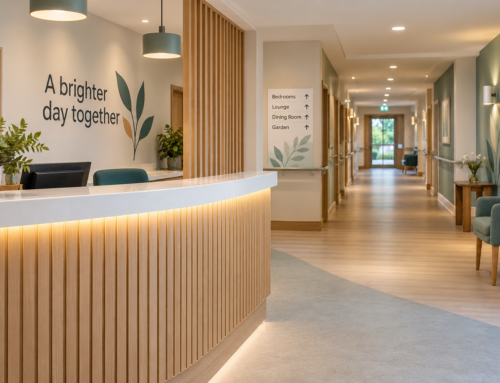
In today’s highly competitive retail landscape, standing out from the crowd has never been more critical. The success of a retail business is not solely dependent on the products it offers but also on the way it presents them to customers. The design, layout, and build of a retail shop are fundamental aspects that can significantly impact the shopping experience and overall success of the business. In this blog post, we will explore the importance of these elements and their role in creating a memorable and profitable retail space.
-
Attracting Customers
The design and aesthetics of a retail shop are often the first things customers notice. A well-designed storefront can pique curiosity and draw people inside. Vibrant signage, appealing window displays, and an inviting entrance can make a significant difference in attracting foot traffic. Once customers are inside, an attractive layout and interior design can keep them engaged and exploring the products.
-
Enhancing the Shopping Experience
The layout of a retail space plays a crucial role in the overall shopping experience. A well-planned layout makes it easy for customers to navigate the store, find what they’re looking for, and discover new products. This can improve customer satisfaction and increase the likelihood of making a purchase. Thoughtful design and layout can also create a sense of comfort and encourage customers to spend more time in the store.
-
Showcasing Products Effectively
The way products are displayed can significantly impact sales. A good retail design ensures that products are showcased in an attractive and organised manner. Eye-catching product displays, well-placed shelving, and creative arrangements can highlight the best features of the items and make them more appealing to customers. Proper lighting and signage can also guide customers to different sections and highlight promotions.
-
Brand Identity and Recognition
The design of a retail shop should reflect the brand’s identity and values. A well-executed design reinforces the brand’s image and helps in building brand recognition. Customers should feel a connection between the store’s design and the products or services it offers. Consistency in design and layout across multiple locations can further solidify the brand’s identity in the minds of customers.
-
Maximising Sales and Profit
Ultimately, a well-designed and well-built retail space can drive increased sales and profit. When customers have a positive shopping experience, they are more likely to make purchases and become repeat customers. Effective design and layout can also encourage impulse buying and cross-selling. In the long run, these factors contribute to the financial success of the retail business.
Investing in these aspects can make a significant difference in the success and longevity of a retail business in today’s competitive market.